
Transforming your current house into a forever home is one of the most exciting yet daunting journeys a property owner can undertake. A home remodel is not merely about changing the paint color on a wall or swapping out old furniture; it is an intricate process of structural adaptation, spatial optimization, and personal expression. Whether you want to convert a traditional closed kitchen in a Kilimani townhouse into a sprawling open-concept culinary hub, or you want to transform a villa in Runda into a modern sanctuary, success hinges on one critical decision: your choice of design partner.
As you look for the best interior designers in Kenya for a home remodel, you will quickly realize that the local market is filled with options. However, remodeling requires a completely different skill set than designing a brand-new space from scratch. This comprehensive guide breaks down exactly what you need to look for to ensure your home renovation is seamless, stress-free, and stunning.
1. Differentiating Between Decorators and Remodeling Experts
Before you begin interviewing firms, it is vital to understand what your specific project requires. Many people confuse interior decorators with interior designers. A decorator deals primarily with surface aesthetics—curtains, throw pillows, color palettes, and furniture placement.
An interior designer, especially one suited for a remodel, understands structural engineering, building codes, spatial architecture, and mechanical systems (like plumbing and electrical routing). When you are knocking down a wall to create an open-plan living room, you are altering the structural integrity of your house. You need an expert who can read structural blueprints, identify load-bearing walls, and coordinate seamlessly with structural engineers.
2. Evaluate Portfolios for Structural Transformation Experience
When evaluating candidates, do not just look at pretty pictures of finished rooms. Ask to see comprehensive case studies that display the before-and-after transformations of previous renovations. Look closely for the following indicators of technical expertise:
- Spatial Problem-Solving: Look at how the designer handled awkwardly shaped rooms or limited natural light. Did they creatively position windows or use architectural tricks like glass partitions?
- Material Transitions: Notice how new extensions blend with older parts of the building. High-quality renovation work looks intentional and seamless, not like an awkward afterthought.
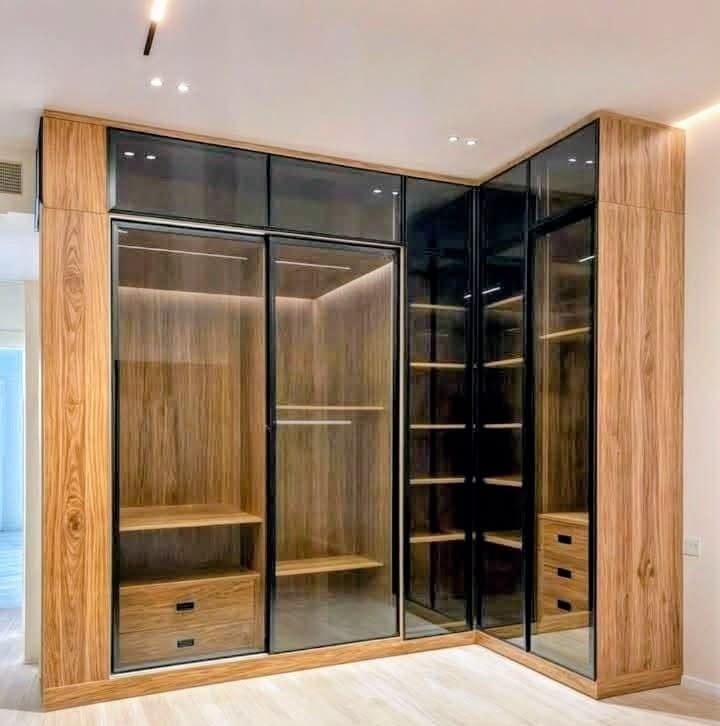
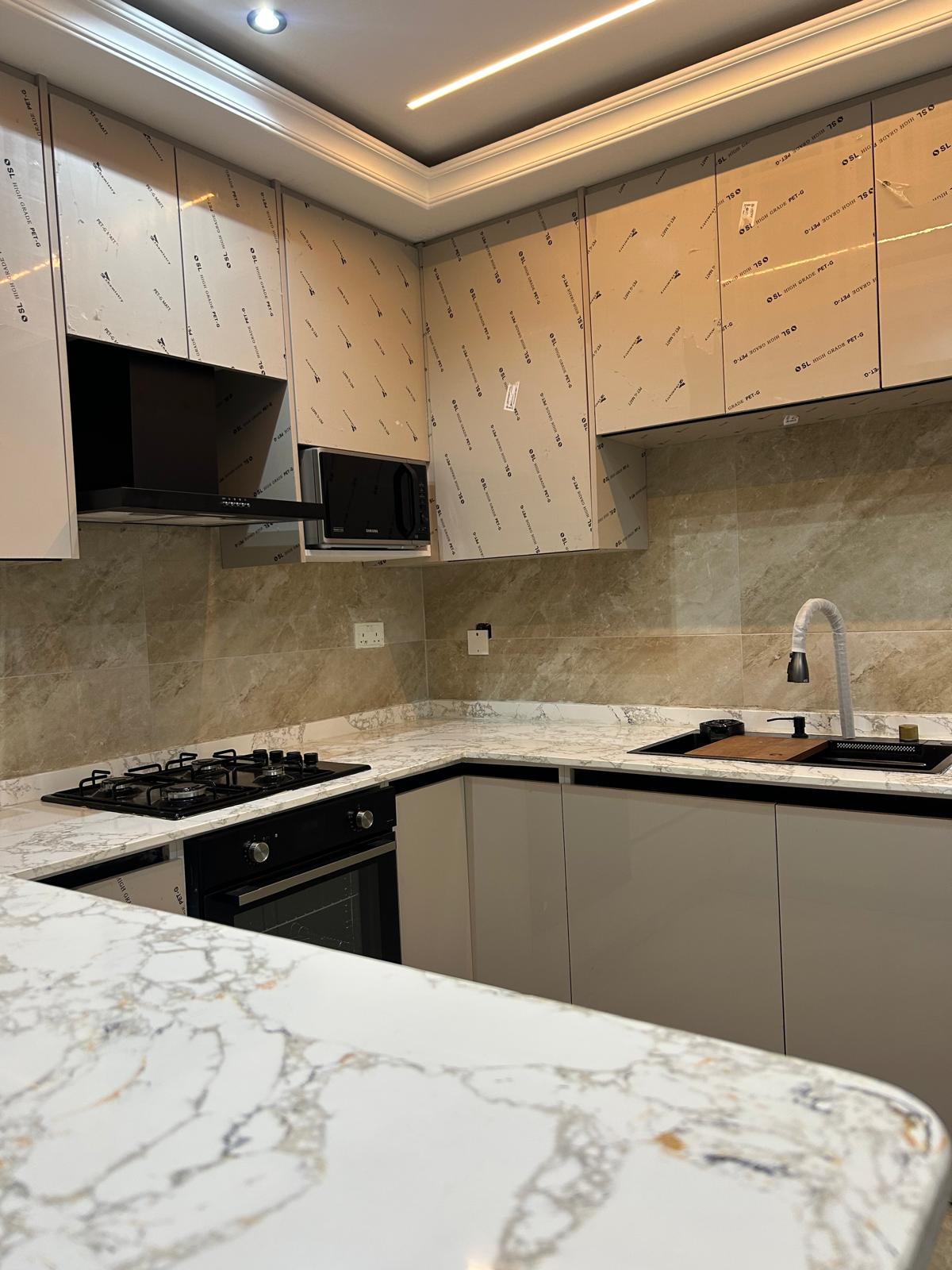
- Joinery and Custom Work: Examine their custom cabinetry, wardrobes, and kitchen islands. In Kenya, houses built a few decades ago often have uneven walls and floors; premium designers know how to craft custom joinery that compensates for these imperfections perfectly.
3. The Power of Local Sourcing and Artisan Networks
A beautiful digital 3D rendering is useless if the materials required to build it cannot be found or fabricated locally. The best design firms operating in Kenya possess deep, well-established relationships with a network of local suppliers, fabricators, stone yards, and artisans.
For example, if your design calls for a dramatic TV feature wall made of imported quartz or local granite, your designer should know exactly which stone yard in Nairobi offers the best cuts at the right price point. If your dream is to have sustainable, rich plantation mahogany or teak furniture, they should have trusted local woodworkers who can execute those designs to international standards. This local network prevents the massive logistical headaches and months of shipping delays that plague less-experienced designers who rely solely on importing finished items.
4. Demanding Transparency in Budgeting and Timelines
The most common grievance homeowners have with contractors and designers is the sudden appearance of hidden costs halfway through a project. Home remodels inherently carry a degree of unpredictability—once you peel back old tiles or open up old ceilings, you might discover faulty wiring or leaking pipes left behind by the original builders.
The sign of a truly professional design firm is how they structure their initial project estimates. They should provide a transparent, line-item budget that categorizes:
- Design Fees: The cost of conceptual layouts, mood boards, and photorealistic 3D renderings.
- Material Sourcing: Exact costs per square meter for flooring, wall finishes, and stone slabs.
- Labor and Fit-outs: The cost of masonry, plumbing, electrical installations, and painting.
- Contingency Fund: A professional firm will always advise you to set aside a 5% to 10% contingency buffer to handle unexpected structural fixes safely without stalling the project.
5. Seamless Project Management and Site Supervision
Many homeowners make the mistake of hiring a designer to create a beautiful concept plan, and then hiring an independent contractor to build it without the designer’s supervision. This is where things frequently go wrong. The contractor may misinterpret the design drawings, swap out specified premium materials for cheaper alternatives, or cut corners on complex architectural features like hidden LED gypsum tracks.
To avoid this nightmare, choose a turnkey interior design partner. A turnkey firm takes complete responsibility for the project from the initial sketch to the final styling brushstroke. They manage the day-to-day site operations, handle vendor disputes, ensure structural safety compliance, and perform rigorous quality control checks at every phase of construction. You only have to deal with one point of contact, saving you hundreds of hours of stress.
Why Cloner Interiors Stands Out
At Cloner Interiors, we don’t just redesign spaces; we elevate how you live. Our team combines structural knowledge with sophisticated luxury to deliver homes that feel deeply personal, incredibly functional, and undeniably elegant.
If you are ready to stop dreaming about your ideal home and start building it, view our latest residential transformations and book a design consultation today at Cloner Interiors.