
The durability of your interior woodwork relies heavily on the structural methods used to connect separate pieces of timber together. While standard carpentry relies on simple nails and quick glue, technical joinery solutions for modern Kenyan homes use precise interlocking wooden cuts to create stable, load bearing structures. High quality joinery accommodates the natural expansion and contraction of solid timber caused by seasonal humidity changes in regions like Nairobi or Mombasa.
Investing in premium wood joinery ensures that your wall paneling remains flat, your main entry doors do not warp during rainy seasons, and your wooden stairs remain quiet when walked on.
Essential Joints for Structural Stability
Different areas of your home put different types of physical stress on timber work. A professional woodworker selects specific connection methods based on those physical demands.
Mortise and Tenon Joints
This classic connection technique forms the structural backbone of high quality exterior doors and heavy dining tables. A protruding tongue of wood, known as the tenon, slides deep into a precisely carved rectangular pocket called the mortise. Once glued and pinned with wooden dowels, this interlocking system resists pulling forces from daily use. It prevents heavy hardwood doors from sagging out of their square frames over time.
Dovetail Corner Systems
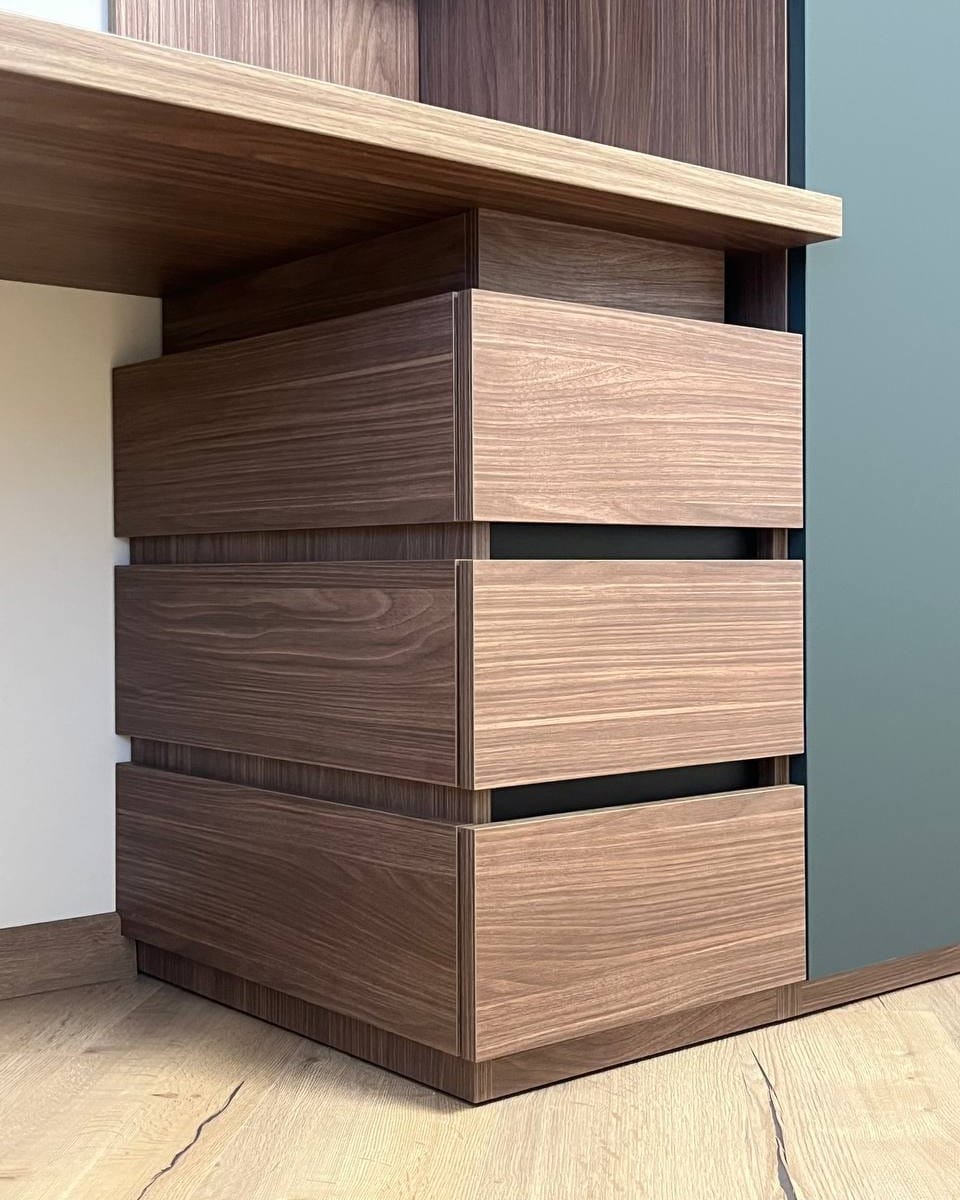
You can easily identify premium drawer construction by looking closely at the rear corner connections. Dovetail joinery uses interlocking wedge shaped fingers that lock together tightly. The geometric shape makes it impossible to pull the front panel away from the drawer box, even after years of pulling open heavy drawers filled with iron pots or heavy clothing.
Tongue and Groove Planking
This method connects flat wooden boards edge to edge to cover wide areas. One side of a board has a continuous ridge that fits smoothly into a matching slot on the adjacent board. This connection system is incredibly useful for solid wood flooring and decorative ceiling paneling. It allows individual timber planks to expand and contract freely during humid months without creating ugly gaps across your surfaces.
Choosing the Right Timber for Local Joinery
The choice of wood species dictates both the lifespan and the final cost of your architectural woodwork. Local joiners split choices into two main categories based on density and durability.
Locally Sourced Hardwoods
- Mahogany: This reddish brown timber remains highly popular for main entrance frames, internal doors, and feature wall paneling. It features an exceptionally tight grain pattern that finishes beautifully with clear sealants. It offers natural resistance to common wood boring insects.
- Mvule: Known for its extreme density and deep golden brown color, Mvule works exceptionally well for outdoor structures, exposed ceiling beams, and high traffic staircases. It handles moisture changes beautifully, making it perfect for homes near coastal areas.
Utility Softwoods and Veneers
- Cypress and Pine: These softer woods work well for hidden structural framing, internal roofing structures, and the backing boards of wardrobes. They cost significantly less than hardwoods but require chemical treatment to prevent termite damage.
Maintaining Your Architectural Woodwork
The local environment can put a lot of stress on organic wood products. To protect your investment, you need to apply appropriate protective finishes.
[Raw Sanded Timber] -> [Anti Termite Priming Layer] -> [Polyurethane or Oil Top Coat]
Avoid using cheap varnishes that form brittle surfaces on exterior doors, as intense high altitude sunlight will cause those hard surfaces to crack and peel within months. Instead, select flexible external wood oils or marine grade clear coats that stretch slightly as the wood breathes. For internal doors and custom wall paneling, applying a high quality polyurethane sealer keeps moisture away while preserving the natural texture of the wood grain.
Read More On: How to Choose the Best Interior Designers in Kenya for Your Home Remodel